Waxno

From last to lace

Read a shoe from throat to heel.

Small structural differences change how a shoe fits, flexes and reads with clothing. Visual comparisons reveal the choices a shoemaker expects you to discuss.
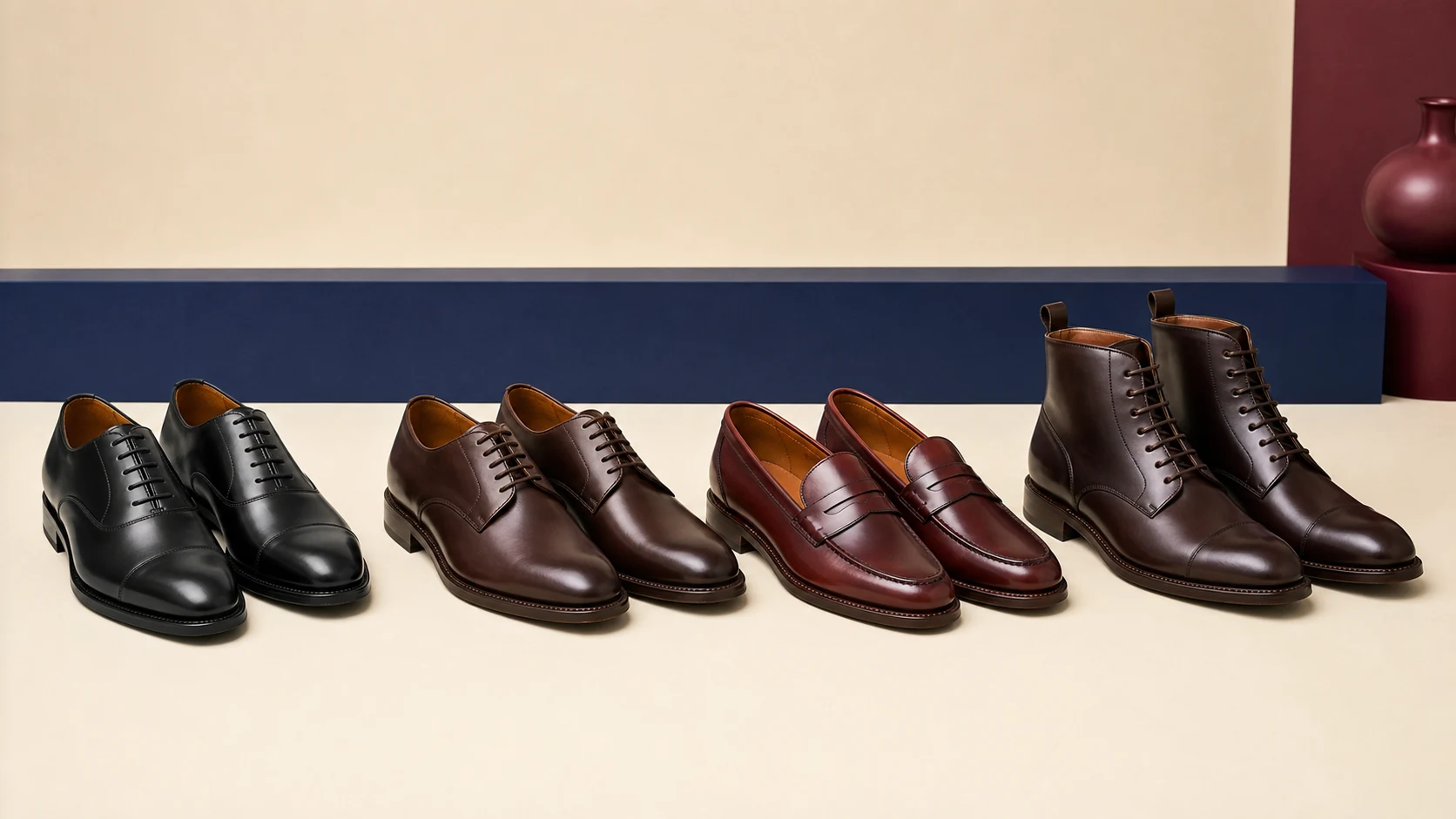
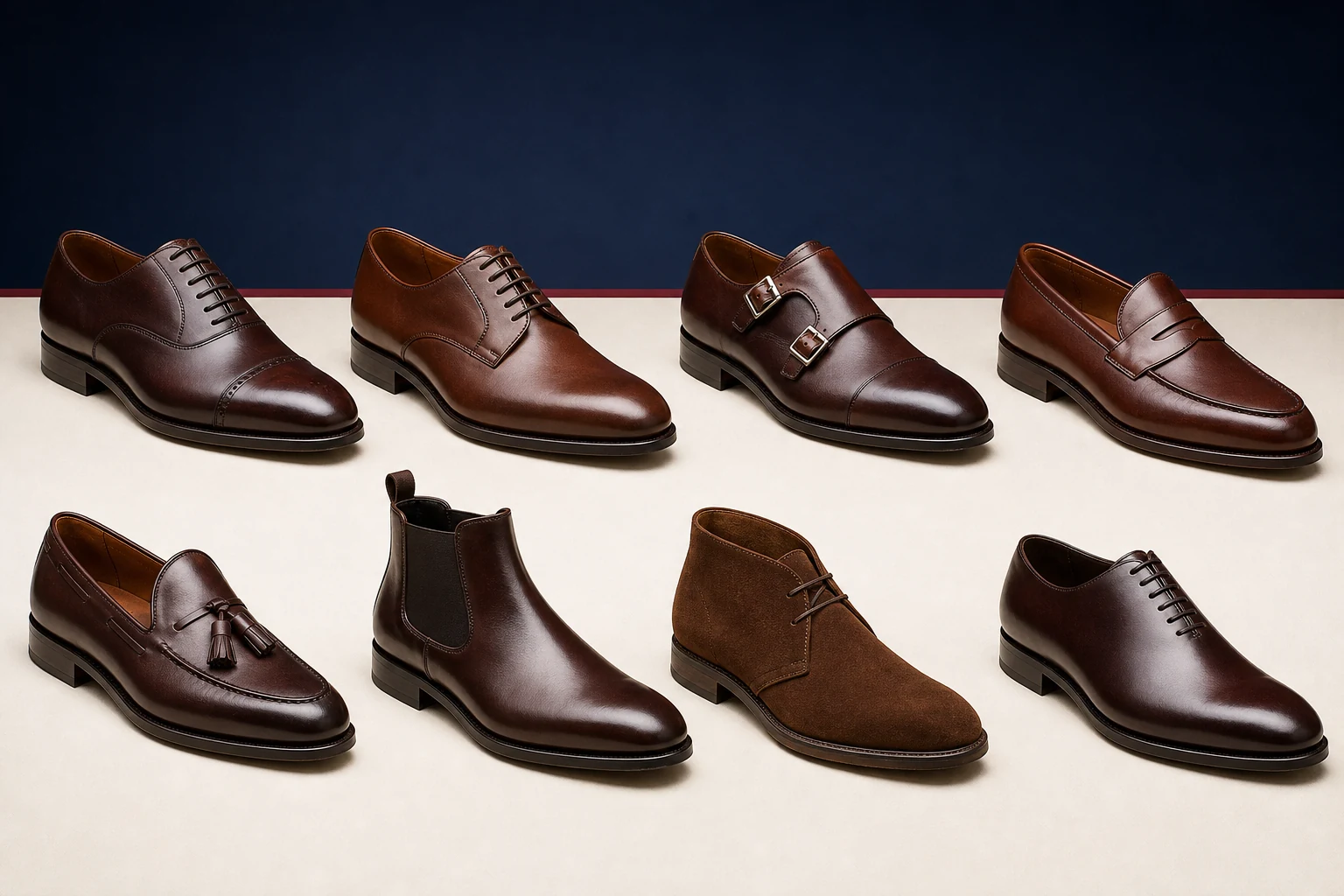
Oxford, Derby, loafer and boot styles arranged for visual comparison
Contents · Sections
01

Styles and lacing systems

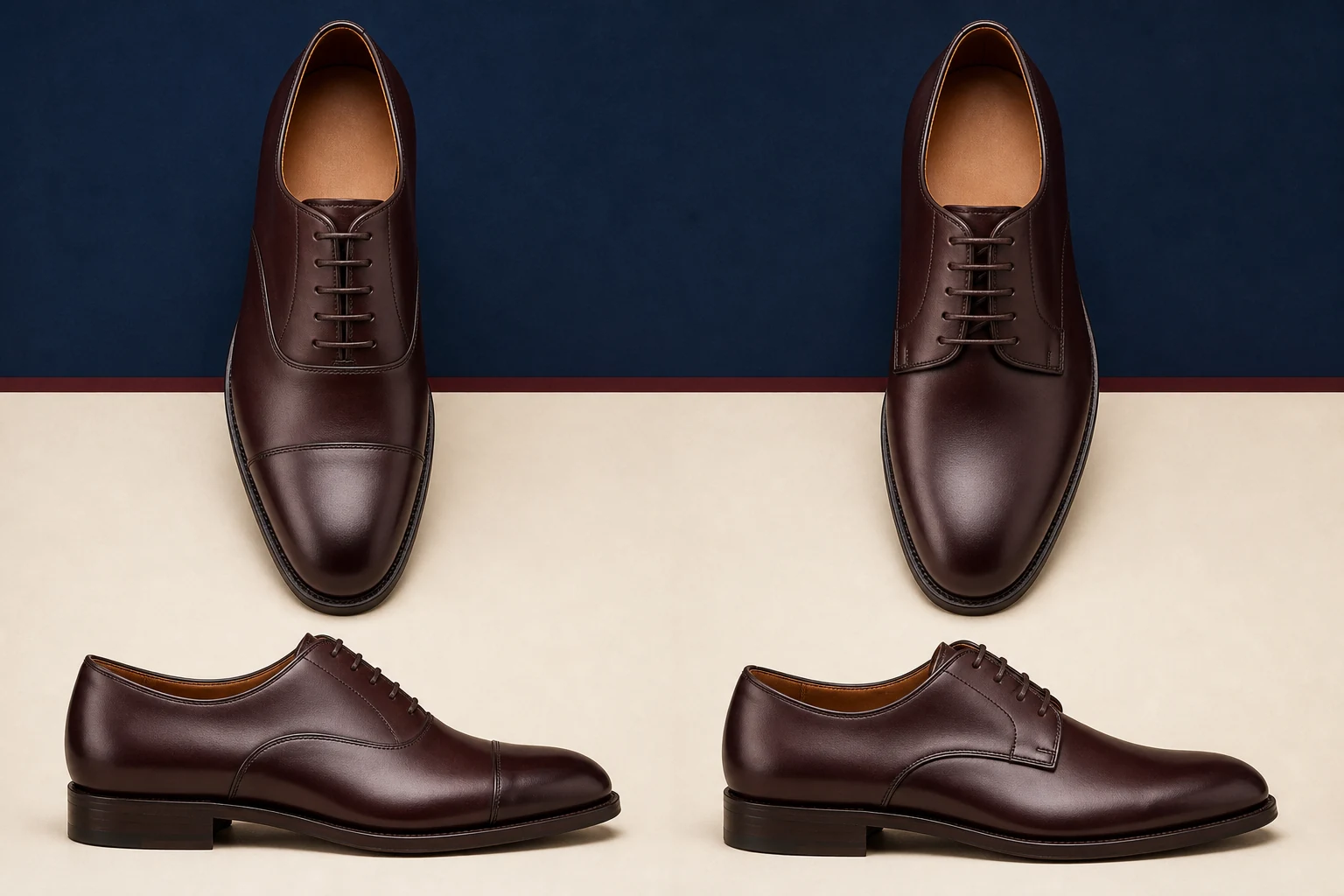
The quarters tell the quickest story: closed for an Oxford, open for a Derby.

The quarters tell the quickest story: closed for an Oxford, open for a Derby.
What to notice

Compare the visible differences in styles and lacing systems: proportion, material, finish and behaviour in use.

Why it matters

The quarters tell the quickest story: closed for an Oxford, open for a Derby.

What to say

“Could you show me how the choices in styles and lacing systems change the result for my use, climate and preferred formality?”

Oxford

The quarters are stitched beneath the vamp, creating closed lacing and a neat V-throat. Plain and cap-toe versions are business and formal standards.

Derby

The quarters sit on top of the vamp, creating open lacing and easier adjustment across the instep.

Loafer

A slip-on shoe whose apron, strap, tassel or clean vamp determines its character. Heel hold matters because laces cannot compensate.

Boots and others

Chelsea, chukka, balmoral, monk strap and wholecut styles range from practical to highly refined; material and sole shift the formality.

02

Shoe anatomy—inside and out

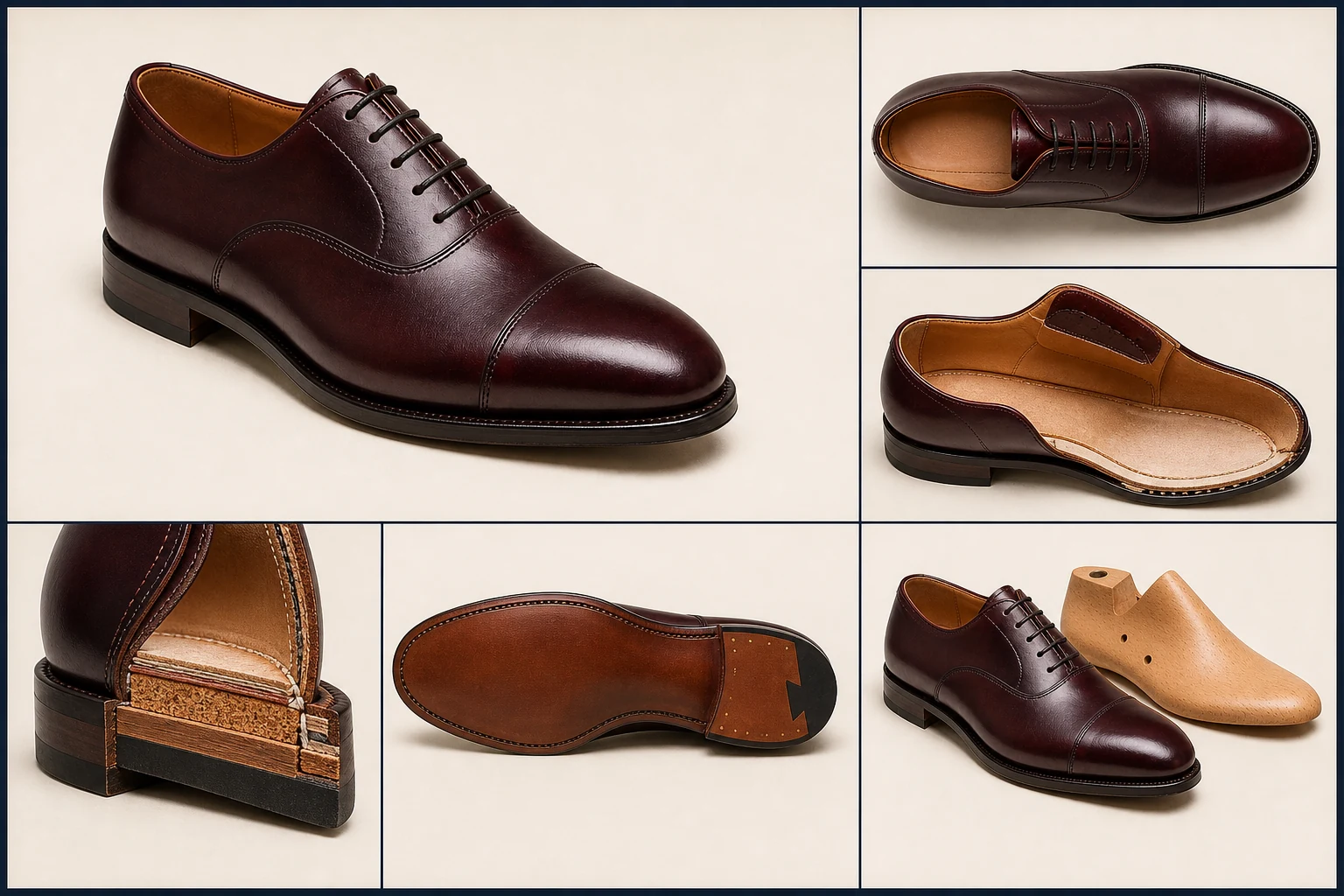
Each visible component connects to fit, repairability or the line of the shoe.

Each visible component connects to fit, repairability or the line of the shoe.
What to notice

Compare the visible differences in shoe anatomy—inside and out: proportion, material, finish and behaviour in use.

Why it matters

Each visible component connects to fit, repairability or the line of the shoe.

What to say

“Could you show me how the choices in shoe anatomy—inside and out change the result for my use, climate and preferred formality?”

Upper

Vamp, quarters, facings, tongue, toe cap, lining and backstay wrap and support the foot.

Bottom

Insole, welt, midsole, outsole, heel stack and top lift handle structure, flex and ground contact.

Waist and edges

A close waist, bevelled edge or fiddleback waist can refine the profile; execution matters more than theatrical exaggeration.

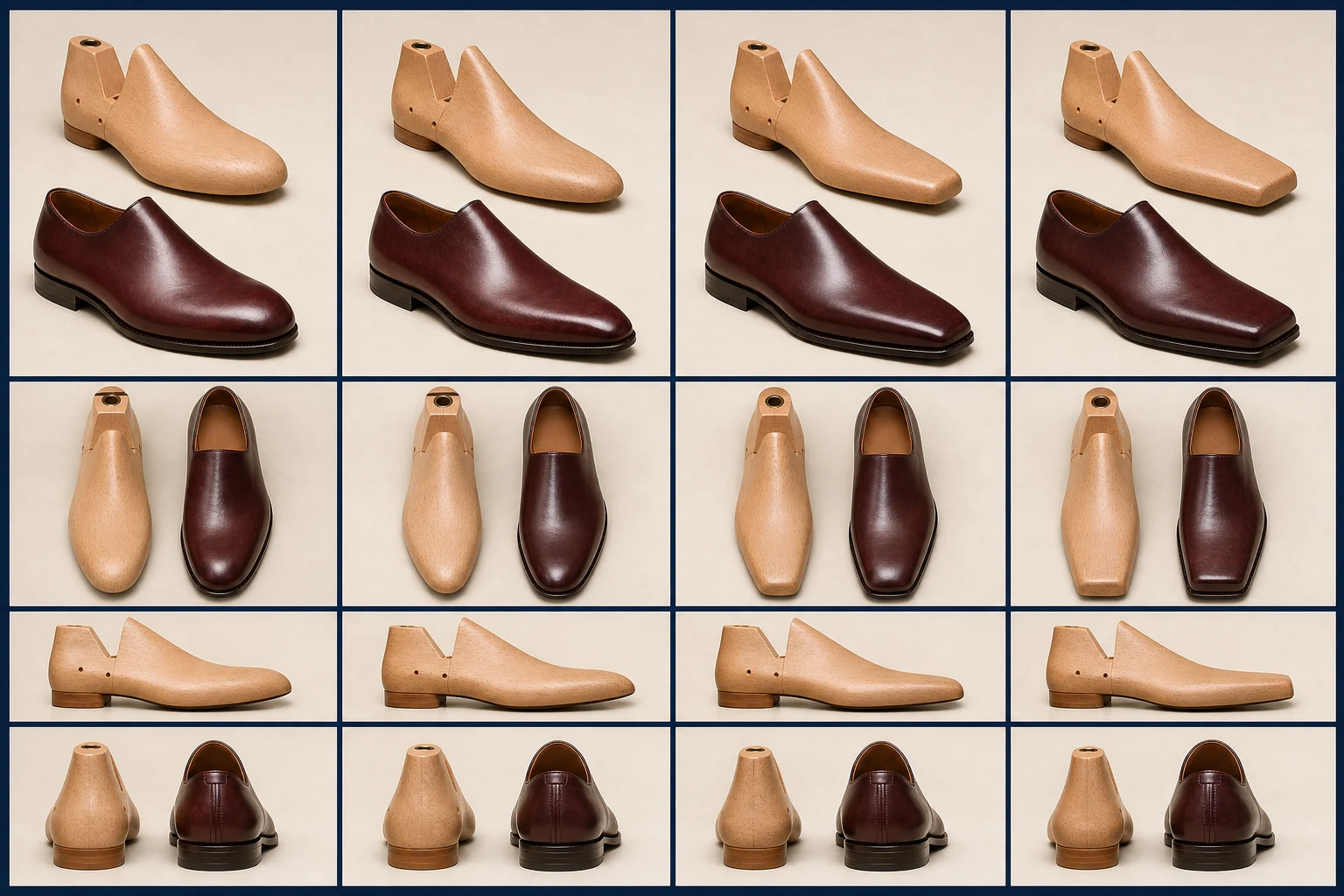
Last

The shoemaking last defines toe shape, heel width, instep volume, waist and overall proportion. It is not the same thing as a size label.

03

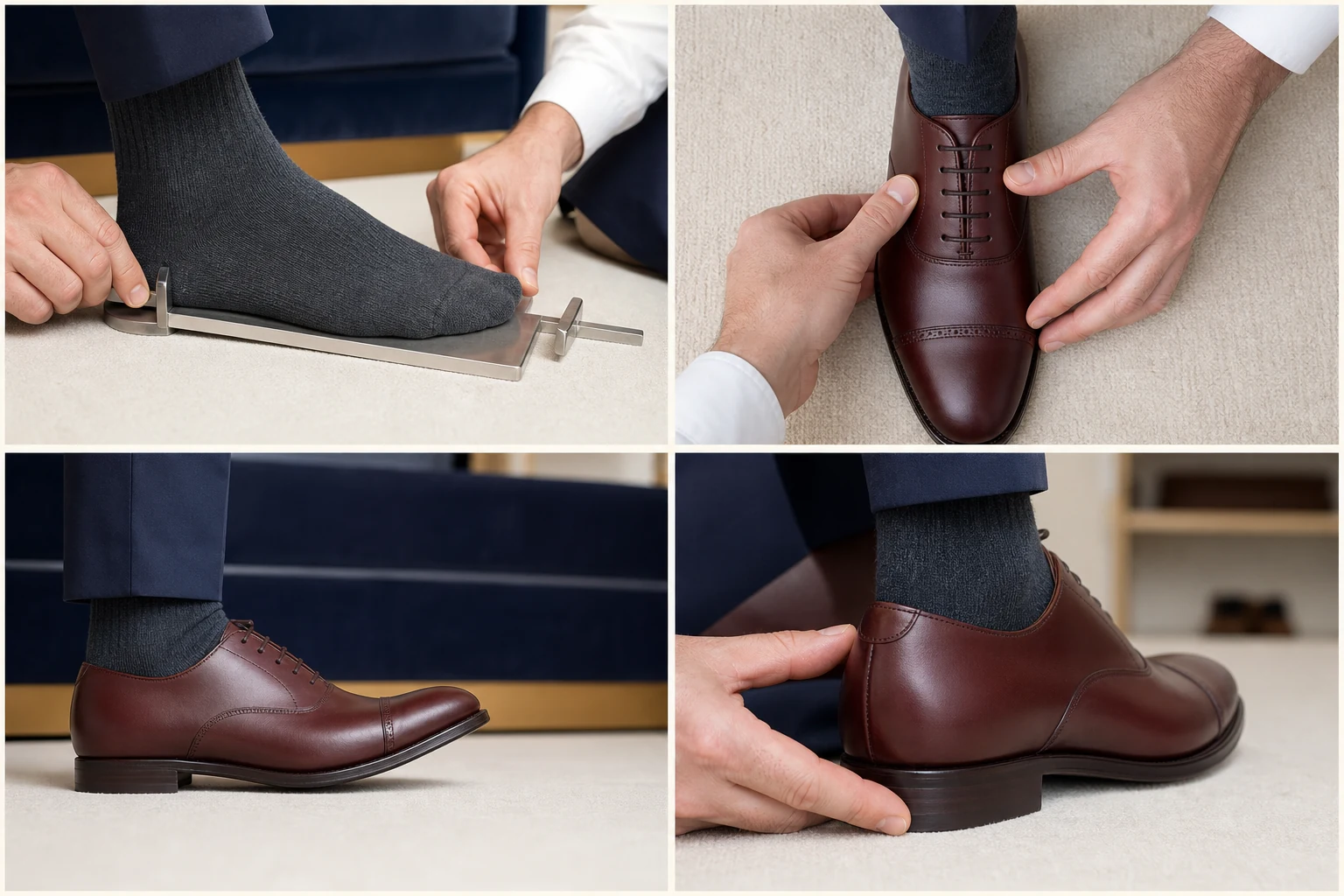
Fit and proportion

Correct length is not enough. The heel, waist, instep, toe shape and flex point must agree with the foot.

What to notice

Compare the visible differences in fit and proportion: proportion, material, finish and behaviour in use.

Why it matters

Correct length is not enough. The heel, waist, instep, toe shape and flex point must agree with the foot.

What to say

“Could you show me how the choices in fit and proportion change the result for my use, climate and preferred formality?”

Heel

Expect secure contact without biting. Persistent lift in a finished loafer is more serious than a small amount in a new stiff lace-up.

Instep and facings

Oxford facings need not close completely, but the gap should be balanced. Extreme V-shaped opening can signal too little instep volume.

Flex and toes

The shoe should flex near the foot’s ball without squeezing the toes into the taper. Toe-room shape matters more than an arbitrary thumb test.

Visual balance

Toe length, welt projection, sole thickness and heel height should harmonise with trouser width and the wearer’s scale.

04

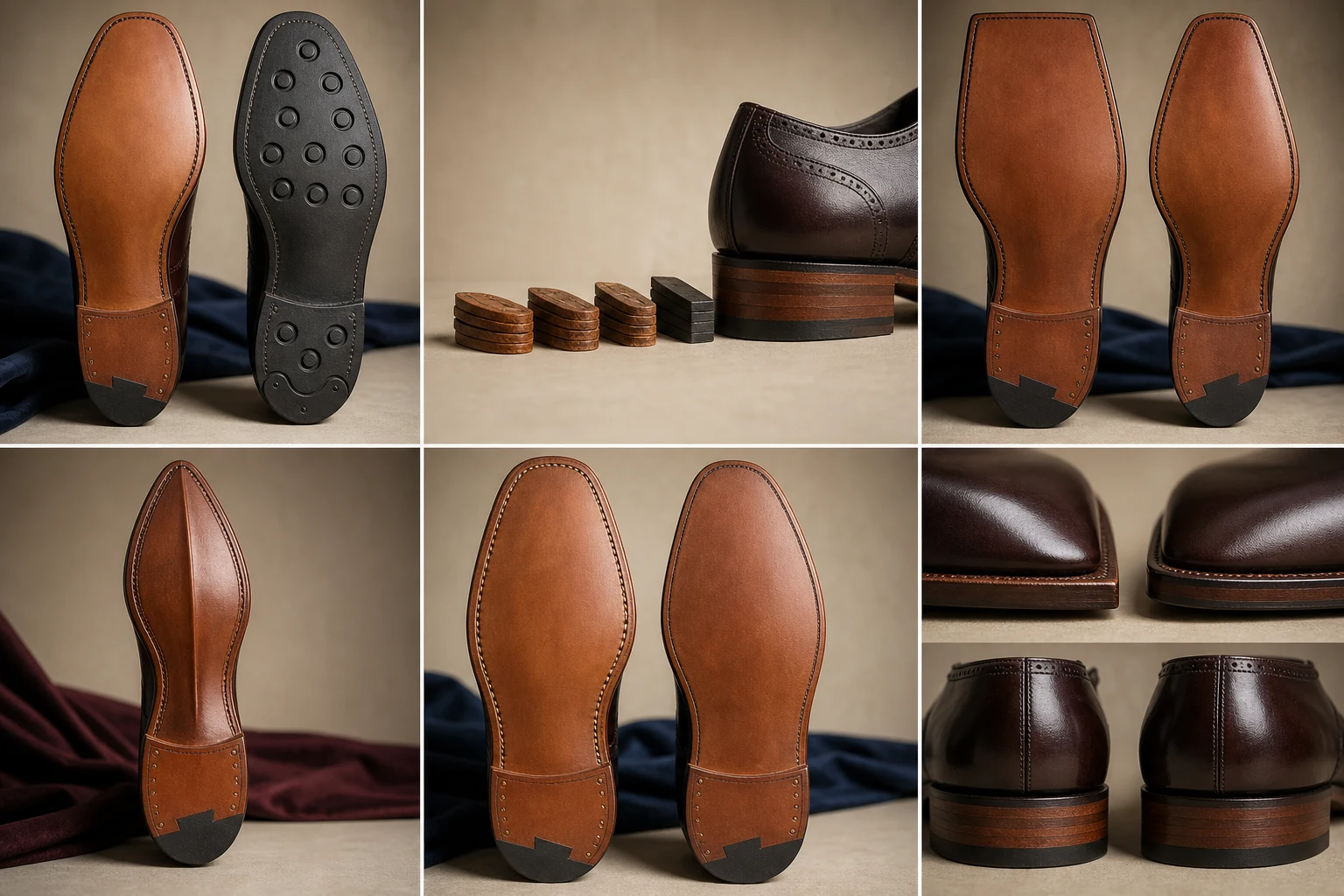
Construction, soles and heels

Construction is a method, not a trophy. Choose it for climate, repair expectations and use.

What to notice

Compare the visible differences in construction, soles and heels: proportion, material, finish and behaviour in use.

Why it matters

Construction is a method, not a trophy. Choose it for climate, repair expectations and use.

What to say

“Could you show me how the choices in construction, soles and heels change the result for my use, climate and preferred formality?”

Goodyear welted

The upper and welt join through a rib, with the outsole stitched to the welt. It is structured and commonly resoleable.

Blake stitched

The outsole is stitched directly through the insole and upper, producing a flexible, close-cut profile with different repair requirements.

Hand welted

A hand-carved holdfast receives the welt without gemming. Skilled execution offers control over shape and structure.

Soles and heels

Leather is elegant and breathable; rubber improves wet grip. Heel pitch, stack, breast and top lift affect stance and durability.

05

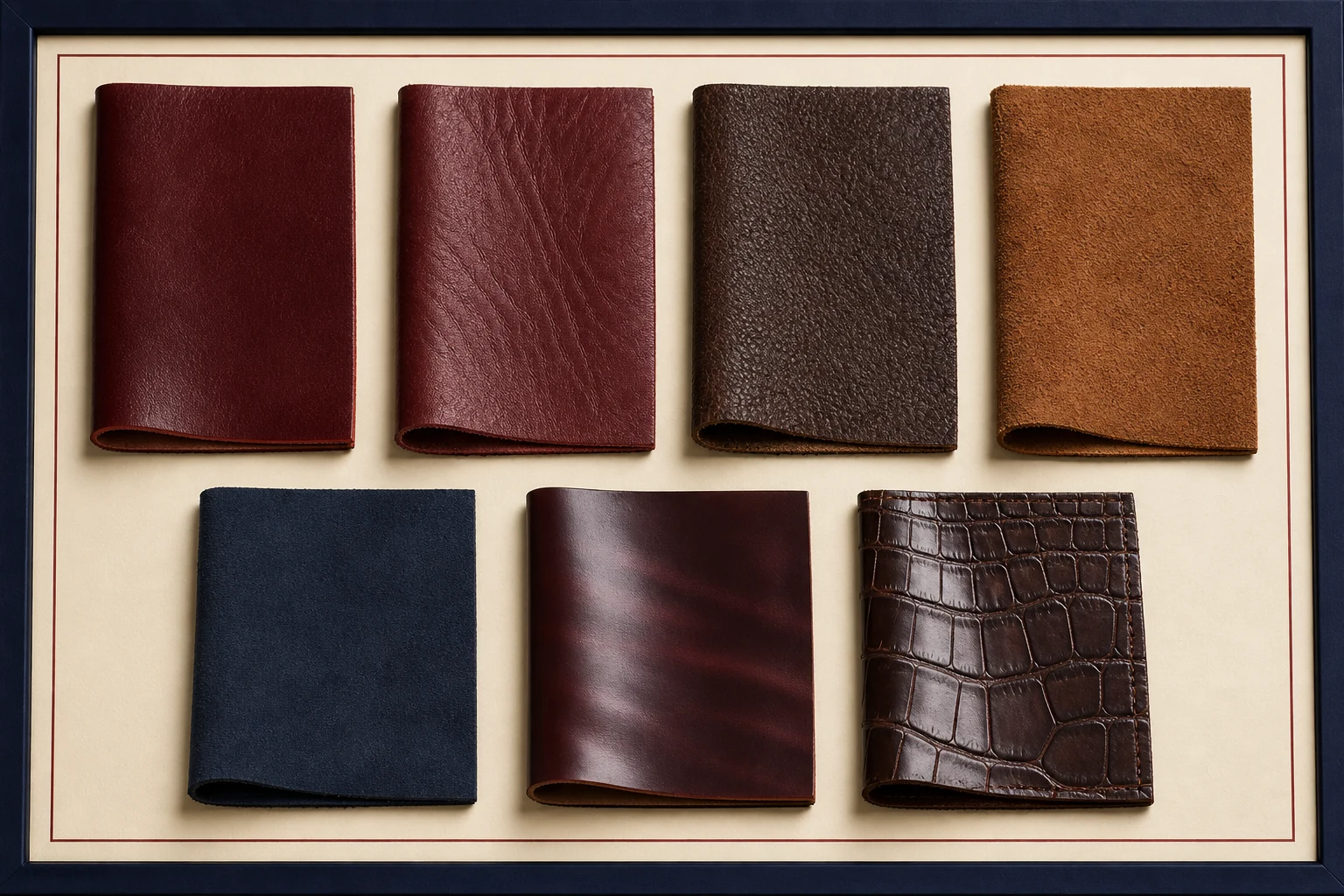
Leather and other upper materials

Surface, fibre structure and finishing change comfort, ageing and care.

Surface, fibre structure and finishing change comfort, ageing and care.
What to notice

Compare the visible differences in leather and other upper materials: proportion, material, finish and behaviour in use.

Why it matters

Surface, fibre structure and finishing change comfort, ageing and care.

What to say

“Could you show me how the choices in leather and other upper materials change the result for my use, climate and preferred formality?”

Calf and veal

Fine grain, supple feel and good finishing potential make them classic choices; tanning and selection matter as much as the label.

Cowhide

Often thicker and robust, useful where toughness or a more substantial character is wanted.

Suede and nubuck

Raised fibres create softness and visual depth. They require brushing, sensible waterproofing and care with oils.

Shell cordovan and exotic skins

Shell develops rolls rather than fine creases. Crocodilian and other regulated materials need lawful provenance and specialist care.

06

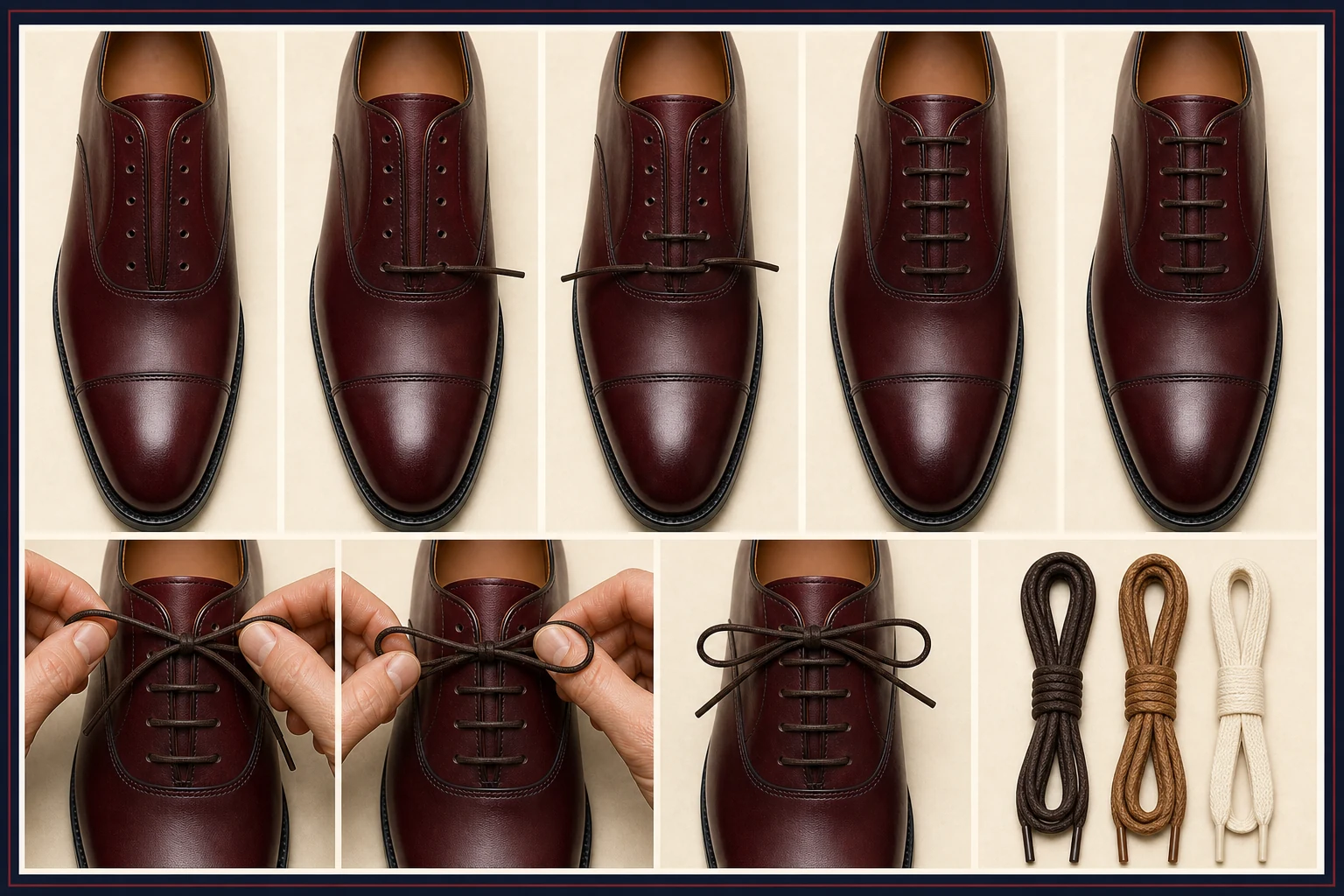
Straight-bar lacing and a formal knot

Neat lacing cannot rescue poor fit, but it can preserve the clean line of a formal shoe.

Neat lacing cannot rescue poor fit, but it can preserve the clean line of a formal shoe.
What to notice

Compare the visible differences in straight-bar lacing and a formal knot: proportion, material, finish and behaviour in use.

Why it matters

Neat lacing cannot rescue poor fit, but it can preserve the clean line of a formal shoe.

What to say

“Could you show me how the choices in straight-bar lacing and a formal knot change the result for my use, climate and preferred formality?”

Choose the lace

Use the correct length and a thin waxed or polished lace for formal shoes; heavier laces suit boots and rugged soles.

Straight-bar pattern

Keep the visible runs horizontal and feed the hidden lace diagonally beneath. Maintain even tension from toe to instep.

Tie securely

Begin with the opposite crossing to your usual bow if it lies vertically; a balanced reef knot lies across the shoe.

Check the facings

Tighten progressively, not only at the top eyelets, so pressure is distributed and the V-throat remains balanced.

07

What to ask your shoemaker

Describe the foot and the use before choosing the flourish.

What to notice

Compare the visible differences in what to ask your shoemaker: proportion, material, finish and behaviour in use.

Why it matters

Describe the foot and the use before choosing the flourish.

What to say

“What would you recommend for my use, climate and preferred formality—and why?”

Bring evidence

Mention heel slip, pressure points, orthotics, long walking days and how your current shoes wear at the sole and heel.

Ask about the last

Which last suits my instep and heel? Can toe shape change without reducing functional room?

Discuss climate

What sole, lining and leather would you recommend for humidity and sudden rain?

Say it clearly

“I want a dark-brown cap-toe Oxford with closed lacing, a restrained round toe and enough instep volume for a balanced facing gap.”

Inspect image